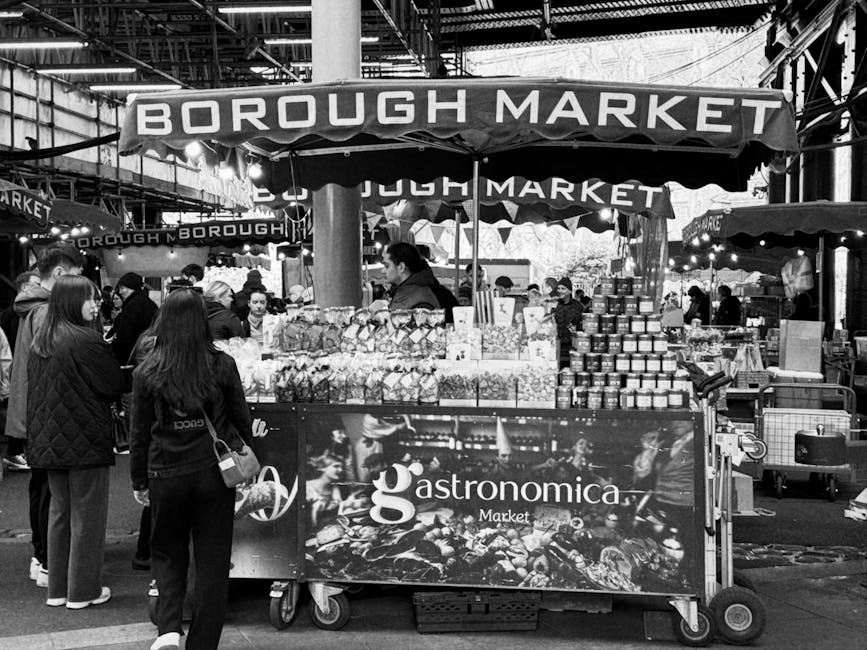
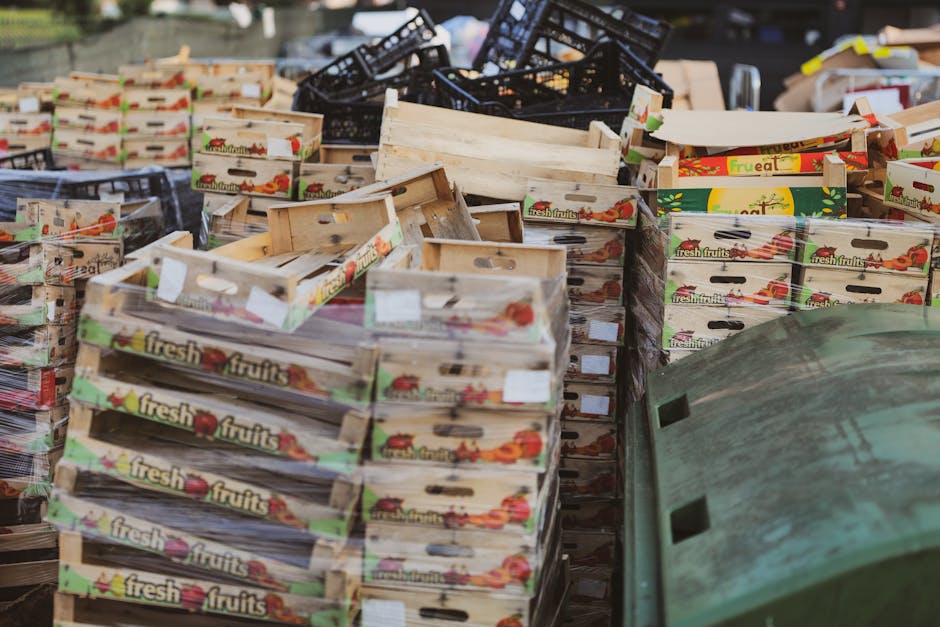
Borough Market rubbish clearance guide for traders
Anyone who has traded at Borough Market for more than a minute knows the same truth: rubbish builds up faster than you expect, and once it does, it gets in the way of everything. Boxes from morning deliveries, spent packaging, food prep offcuts, broken crates, spoiled stock, mixed recyclables, the odd stubborn appliance - it all has to go somewhere. That is exactly why a clear, workable Borough Market rubbish clearance guide for traders matters. It helps you stay tidy, avoid awkward delays, and keep your pitch looking like a place people actually want to buy from.
In practice, rubbish clearance for traders is not just about making the stall look good. It is about flow, hygiene, safety, neighbour relations, and avoiding last-minute panic when the day is over and the waste has nowhere sensible to sit. Below, you will find a grounded guide to how trader waste clearance works, what to prioritise, where the common mistakes creep in, and how to make the whole process feel less like a headache. To be fair, that is the real goal here: fewer bins overflowing, fewer awkward corners, more room to trade.
Table of Contents
- Why Borough Market rubbish clearance guide for traders Matters
- How Borough Market rubbish clearance guide for traders Works
- Key Benefits and Practical Advantages
- Who This Is For and When It Makes Sense
- Step-by-Step Guidance
- Expert Tips for Better Results
- Common Mistakes to Avoid
- Tools, Resources and Recommendations
- Law, Compliance, Standards, or Best Practice
- Options, Methods, or Comparison Table
- Case Study or Real-World Example
- Practical Checklist
- Conclusion
- Frequently Asked Questions
Why Borough Market rubbish clearance guide for traders Matters
Borough Market is busy, compact, and unforgiving when waste management is messy. Traders do not have the luxury of lots of spare space. A few neglected sacks or an overfilled bin can quickly turn into a safety issue, a customer experience problem, and a stress point for staff trying to pack down at closing time.
The point of a good clearance routine is not only removal. It is control. You want to know where waste goes, when it leaves, who is responsible, and what type of waste is being handled. That makes day-to-day trading easier, especially during peak periods when the market is loud, crowded, and moving fast. If you have ever tried to untangle cardboard from food waste while the clock is ticking and people are still passing through, you will know the feeling. Not ideal.
There is also a reputational side to this. Traders who keep their waste under control tend to look more organised, more hygienic, and more reliable. That matters in a market environment where presentation and trust are part of the sale. Customers may not think about your waste process directly, but they notice the result. Clean pitch, tidy back-of-house area, less smell, fewer pests. Simple as that.
For traders working with a professional team, a reliable business waste removal arrangement can be the difference between a smooth close-down and a scramble. In our experience, the traders who plan waste early always have an easier end to the day.
How Borough Market rubbish clearance guide for traders Works
Rubbish clearance for traders usually works best as a repeatable process rather than a one-off clean-up. The core idea is straightforward: separate waste as it is created, store it safely, and remove it efficiently at the right time.
A typical trader waste flow looks something like this:
- Waste is produced during receiving, prep, display, service, and pack-down.
- It is sorted into suitable categories such as general waste, cardboard, food waste, recyclables, or special items.
- It is stored in labelled containers, sacks, cages, or bins that suit the site layout.
- It is collected internally or moved to a designated holding point.
- A clearance team or waste contractor removes it, ideally without disrupting trading.
The tricky bit is not the concept. It is the reality of a market day. Loads arrive at odd times. Wet cardboard clings to everything. Fruit and veg waste can smell quickly, especially on warm afternoons. And if you are serving food, packaging piles up faster than people expect. The process has to fit the rhythm of the market, not the other way round.
Some traders also need flexible support for bulky or unusual items. That might include refrigeration units, shelving, worn furniture, or packaging after a seasonal reset. If that sounds familiar, it may help to look at related services such as fridge and appliance removal or furniture disposal when equipment reaches the end of its life.
One useful way to think about it: clearance is not a bin problem. It is an operations problem. Once you see it that way, the solutions become much clearer.
Key Benefits and Practical Advantages
A well-managed trader clearance routine does more than remove rubbish. It makes the whole trading day run better. That sounds obvious, but in busy market conditions the difference is real.
- Cleaner trading space: Less clutter means easier movement behind the stall and a better impression in front of it.
- Faster close-down: If waste is already sorted, pack-down takes less time and staff are less frazzled.
- Lower contamination risk: When food waste, cardboard, plastics, and other materials are separated properly, recycling becomes more realistic.
- Reduced odour and pest pressure: Particularly important for food traders and stalls handling perishables.
- Better safety: Fewer bags on the floor means fewer trips, slips, and awkward lifts.
- More professional presentation: A tidy stall supports trust. It really does.
There is a commercial benefit too. When waste is handled efficiently, staff spend less time moving rubbish around and more time serving customers. That is a useful shift, especially on a Saturday morning when the market is at full tilt and every pair of hands counts.
For larger clear-outs or end-of-season resets, traders sometimes need support that overlaps with broader commercial waste services. The page on waste removal can be useful if you need a general overview of clearance options for mixed loads.
Who This Is For and When It Makes Sense
This guide is for a wide range of Borough Market traders, not just food stalls. If you handle stock, packaging, equipment, or customer-facing prep areas, you are likely dealing with some form of rubbish clearance already.
It makes particular sense if you are:
- a food trader dealing with packaging, prep waste, and spoilage;
- a drinks trader managing bottles, cans, crates, and disposables;
- a retailer unpacking stock and breaking down cardboard every day;
- a trader doing regular deliveries and needing a tidy back-of-house area;
- a seasonal or pop-up trader who needs a temporary clearance plan;
- a business preparing for a refurbishment, stock rotation, or equipment swap.
It also makes sense if your current waste arrangement is a bit improvised. Maybe your bins are full by lunchtime. Maybe staff keep stacking bags in the wrong corner because there is nowhere else. Maybe collections happen, but never quite at the right time. These are the small frictions that slowly become bigger problems.
And yes, if your waste has started to feel like a daily argument, that is usually a sign the system needs tightening.
Step-by-Step Guidance
If you want a trader rubbish clearance process that actually works, keep it simple and repeatable. Overcomplicating it is a common mistake. You do not need a masterpiece; you need something the team can follow on a busy Tuesday.
1. Identify what you throw away most often
Start with the basics. Is it cardboard? Food waste? Plastic wrap? Broken packaging? Old stock containers? You cannot design a decent clearance routine until you know the main waste streams. A quick walk-through of one trading day usually tells you a lot.
2. Separate waste at source
Do not let everything end up in one mixed bag if it can be avoided. Separation at source is usually cheaper, cleaner, and easier to manage. Cardboard should not be drenched with food scraps, and recyclables should not be mixed with general rubbish unless there is no practical alternative.
3. Use the right containers
Choose bins, sacks, crates, or cages that suit your stall layout. If containers are awkward to move, they will be ignored. If they are too small, they will overflow. If they are not clearly labelled, staff will default to whatever is nearest. Humans are predictable like that.
4. Set a clear end-of-day routine
Rubbish should have a home by closing time. Decide who ties bags, who empties containers, and where the waste is staged before collection. A ten-minute routine at the end of the day can save a lot of mess the next morning.
5. Plan bulky or awkward items separately
Not all waste is baggable. Old fridges, broken counters, worn chairs, and damaged display units need a different approach. In those cases, a dedicated clearance plan is much safer than trying to squeeze things into a general collection. For mixed property-style items, pages such as office clearance and house clearance can also be useful reference points for what a broader clearance service can handle.
6. Review the routine weekly
Waste patterns change. A summer menu, a special event, or a new supplier can all alter your volumes. Review the system regularly and make small adjustments before problems pile up.
Expert Tips for Better Results
Small improvements often make the biggest difference. Here are the bits that tend to matter most on the ground.
- Keep one "overflow" solution ready: If your main containers fill faster than expected, have a fallback plan rather than improvising with extra bags on the floor.
- Train staff on what belongs where: A simple one-page guide is often enough. People remember visual examples better than long instructions.
- Protect your dry waste: Cardboard becomes awkward fast if it gets wet. A drizzle of rain can turn a neat stack into a soggy mess by late afternoon.
- Schedule clearances around trading pressure: If possible, avoid moments when your stall is busiest. The best collection time is the one your customers barely notice.
- Use clear labels: "Cardboard only" works better than "recycling." The more specific, the better.
- Keep an eye on odour sources: Food waste, dairy residues, and packaging contaminated with perishables need attention before they become a problem.
A slightly unglamorous truth: the best waste systems are boring. They do the same thing the same way every day. That consistency is what keeps a market stall sane.
If you are handling mixed commercial waste, it can also help to look at pricing and quotes before committing to a regular arrangement, so you understand how the service is structured and what is likely to affect cost.
Common Mistakes to Avoid
Most waste problems at trader level are not dramatic. They come from small avoidable habits that repeat for weeks. Here are the ones worth watching.
- Waiting until the end of the day to sort everything: This usually creates a rush and increases mistakes.
- Using the wrong container size: Too small means overflow. Too large means wasted space and awkward handling.
- Mixing different waste types: Once food waste contaminates cardboard, the recycling value drops fast.
- Ignoring bulky items until they become a blockage: One abandoned chair can turn into a traffic problem behind a stall.
- Leaving waste in access routes: It only takes one awkward corner to create a trip hazard.
- Not briefing temporary staff: Seasonal workers often need clearer waste instructions than permanent staff.
Another common issue is assuming "someone else will deal with it." Sometimes that means everyone assumes it. And then, surprise, the bags are still there. Not a great moment.
The fix is usually a named process and a named person, even if only for a shift. Nothing fancy. Just clarity.
Tools, Resources and Recommendations
You do not need a warehouse full of equipment to manage trader waste well. A few practical tools will make life easier straight away.
- Strong bin liners and sacks: Choose something suitable for wet or heavy waste if your stall produces it.
- Labelled bins or crates: Makes separation fast and obvious.
- Compact wheeled containers: Handy when you need to move waste without endless carrying.
- Cleaning wipes and spill kits: Useful for small leaks and food residue.
- Gloves and basic PPE: Essential for handling sharp, dirty, or heavy items safely.
- A simple waste log: Even a notebook helps track what is being generated and when.
For traders who occasionally need to deal with items beyond standard bin waste, it is worth knowing the wider service mix available. builders waste clearance can be relevant if you are refitting a stall or clearing renovation debris, while hazardous waste disposal is the safer route for anything that should never go into a general mixed load.
If your operation also involves confidential papers, old customer records, or business documents, confidential shredding is worth keeping in mind too. A market trader can have admin waste as well as food or retail waste, and it all needs handling properly.
One practical recommendation: keep your most-used waste tools visible and easy to reach. If the gloves live at the back of a cupboard behind three sacks and a mop, no one is going to bother. It's just human nature.
Law, Compliance, Standards, or Best Practice
Waste handling in the UK comes with legal duties and practical expectations, especially for businesses. The details can vary depending on the waste type and the site setup, so it is sensible to treat compliance as an active part of the process rather than an afterthought.
For traders, the most important principle is simple: do not let waste handling become careless. General business waste should be stored, moved, and transferred in a way that is safe and traceable. If you are producing food-related waste, the standards around cleanliness and contamination matter even more. For anything that may be classed as hazardous or difficult to handle, use the correct disposal route rather than mixing it in with ordinary rubbish.
Best practice usually includes the following:
- keeping waste contained and off the ground where possible;
- separating recyclables from general rubbish when practical;
- using suitable containers that do not leak or topple easily;
- making sure staff know what to do with unusual waste items;
- keeping records or invoices for waste services where appropriate;
- choosing a provider with appropriate insurance and clear safety procedures.
If you want to understand the broader approach a responsible supplier should follow, the pages on health and safety policy and insurance and safety are useful. They help set expectations for safe handling, site conduct, and professionalism.
For sustainability-minded traders, recycling is not a box-ticking exercise either. It works best when waste is clean enough to be processed. Contaminated recycling usually becomes disappointment in a bin bag, which is hardly the point. The page on recycling and sustainability gives a better sense of that mindset.
Options, Methods, or Comparison Table
Not every trader needs the same rubbish clearance setup. Some only need routine bag collection, while others need a mixed approach for bulkier waste or seasonal surges. Here is a simple comparison to help you think it through.
| Method | Best for | Strengths | Watch-outs |
|---|---|---|---|
| On-site bin management | Daily small-volume waste | Low effort, straightforward, good for routine trading | Can overflow quickly if volumes rise |
| Scheduled business waste collection | Regular trading with predictable waste | Reliable, keeps the site clearer, easy to build into operations | Needs accurate timing and container discipline |
| Ad hoc clearance support | Bulky items, one-off clear-outs, seasonal stock changes | Flexible and useful when things suddenly pile up | Less efficient if used as a stand-in for a proper routine |
| Mixed approach | Busy traders with varying waste streams | Balanced, adaptable, works well in a market environment | Needs clearer planning and staff awareness |
For many Borough Market traders, the mixed approach is the most realistic. Routine bin handling for daily waste, plus occasional clearance for bulky or awkward items. That combination tends to fit the real world better than a neat theory on paper.
If you are not sure how much waste your setup produces, you can also compare it with what can go in a skip. Even if you are not using a skip, the guidance helps you think about which materials are suitable for bulk removal and which need separate handling.
Case Study or Real-World Example
Picture a busy food trader setting up early on a damp London morning. By midday, the stall has gone through cardboard cartons, fruit trimmings, takeaway packaging, and a few bags of general waste. Nothing dramatic, but enough to create pressure behind the stall. The cardboard is starting to sag. One sack has split slightly. A prep surface is boxed in by two awkward bags that nobody wants to move in the rush.
Instead of waiting until closing time, the trader uses a simple system. Cardboard is flattened as deliveries arrive. Food waste goes straight into sealed containers. General waste is bagged and staged in a designated corner. A scheduled clearance removes the fuller bags later in the day, after the peak rush but before pack-down gets chaotic.
The difference is obvious. The floor stays clearer. Staff move more easily. There is less smell, less clutter, and less frantic lifting at the end. More importantly, the stall feels under control. Customers may never know why it feels calmer, but they feel it anyway.
That is the real lesson. Good rubbish clearance does not always look impressive. It just quietly removes stress from the day.
Practical Checklist
Use this as a quick trader checklist before, during, and after service.
- Have I identified my main waste types for today?
- Are bins, sacks, and containers in the right place?
- Is cardboard being kept dry and flattened?
- Are food waste and general waste separated properly?
- Do staff know where to stage full bags or containers?
- Is any bulky or awkward item being handled separately?
- Are walkways, exits, and prep areas clear of waste?
- Have I planned for end-of-day pack-down?
- Are gloves, labels, and basic cleaning tools ready to use?
- Do I know who is responsible for collection or handover?
- Have I checked for contamination, spills, or odour issues?
- Is there a simple fallback if today's waste volume is higher than expected?
One small habit makes a big difference: do the waste check before the rush ends, not after. That tiny bit of timing can save a surprising amount of stress.
Conclusion
A sensible Borough Market rubbish clearance guide for traders is really about making your working day easier, safer, and cleaner. When waste is planned properly, the whole stall runs better. The floor stays open, staff stay calmer, and customers see a business that knows what it is doing. That matters more than people admit.
You do not need a perfect system. You need one that fits your trading style, your space, and your waste output. Start with separation, keep your routine simple, and make sure bigger items have a clear route out. If you do that consistently, you will feel the benefit quite quickly. Less mess. Less rush. Fewer irritating little problems piling up in the corner.
Get a free quote today and see how much you can save.
If you are ready to tighten up your waste handling, it may also help to review the company background through about us or check the practical booking route via book online. A clear next step is often the easiest way to move from "we should sort this out" to actually sorting it out.
And honestly, once the rubbish stops running the day, everything feels lighter. Even the coffee tastes better.
Frequently Asked Questions
What is the best rubbish clearance setup for Borough Market traders?
The best setup is usually a simple mix of source separation, clearly labelled containers, and scheduled removal. Most traders do better with a routine that fits their actual trading flow rather than a complicated system that nobody follows properly.
How often should trader waste be cleared?
That depends on the type and volume of waste. Food traders often need more frequent handling than non-food stalls, while retailers may manage with fewer clearances. The right answer is the one that prevents overflow, odour, and access problems.
Can I mix cardboard with general rubbish?
You can, but it is usually a bad idea if you want cleaner recycling and easier handling. Dry cardboard is far easier to manage when kept separate. Once it gets contaminated, the whole lot becomes more awkward.
What should I do with bulky items like old shelves or fridges?
Bulky items should be handled separately from day-to-day bag waste. Appliances, display units, and damaged furniture need a dedicated collection approach, especially if they are heavy or awkward to move safely.
Is a trader rubbish clearance service the same as business waste removal?
They overlap a lot. Trader clearance is usually the practical, site-specific version of business waste removal, especially in a market environment where space, timing, and access matter as much as collection itself.
How do I stop waste smelling during a busy market day?
Focus on sealed containers, regular removal, and separating food waste from dry packaging. Odour usually builds when waste is left too long, especially in warm weather or in tight spaces with poor airflow.
What if my stall produces more waste on weekends?
That is common. Weekend trading often means more packaging and more customer waste. Build your collection plan around your busiest days, not your quietest ones, or you will end up playing catch-up.
Do I need to sort waste before a collection team arrives?
Yes, where possible. Sorting waste before collection makes the process faster, cleaner, and safer. It also reduces the chance of recyclable material being contaminated by food or general rubbish.
What are the most common waste mistakes traders make?
The biggest mistakes are leaving sorting until the end of the day, mixing waste streams, using the wrong container size, and not having a named routine for pack-down. Small habits, big mess - annoying, but true.
How do I know if my waste process is working well?
If your stall stays tidy, staff are not fighting with overflowing bags, and end-of-day pack-down feels manageable, that is a strong sign the process is working. If waste is regularly blocking movement or creating stress, it probably needs a reset.
Can trader waste clearance help with sustainability?
Yes, if the waste is sorted properly and collected through the right route. Clean separation supports recycling, reduces contamination, and makes the whole process more efficient. Sustainability is easier when the basics are under control.
What should I ask a waste contractor before booking?
Ask what they remove, how they handle bulky or awkward items, whether they can work around your trading hours, and what their safety and insurance arrangements look like. A little diligence upfront saves a lot of hassle later.