Business Waste Removal in Southwark
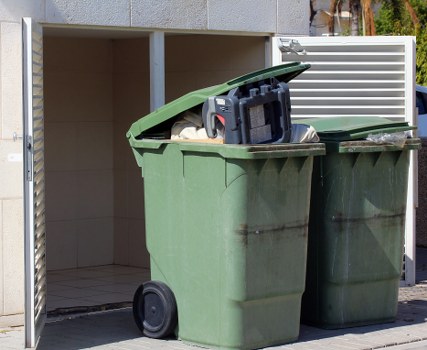
Business waste removal in Southwark needs to be practical, consistent and arranged around how your premises actually operate. We clear a wide range of commercial waste from offices, retail units, workshops, hospitality sites and managed properties, helping you keep work areas clear without turning disposal into a disruption. The service is suited to routine clear-outs, one-off collections and planned removals where mixed materials have built up over time.
Our work can cover general office rubbish, unwanted furniture, packaging, redundant stock, fixtures, equipment and other non-hazardous business waste. We also handle structured clearances where different waste streams need separating before removal. If you need a straightforward route to a tidier site, our service is built around organised collection and responsible processing rather than rushed tipping or guesswork.
When you are ready to compare options, start with the type of waste you need removed and the access available on site. That is usually enough to shape a clear quotation and identify any items that need special handling before collection day.
Commercial collections for offices, shops and workplaces
Office and workplace collections often involve more than simple rubbish bags. Desks, chairs, cabinets, shelving, conference furniture and outdated electrical items can accumulate during refits, relocations or periodic clear-outs. We can remove these items alongside lighter mixed waste, so the space can be reset for normal use. This is especially useful when you need a tidy handover, a safer circulation route or room for new equipment.
For retail and customer-facing spaces, the timing of removal can matter as much as the volume. Broken display units, excess packaging, storage items and redundant promotional material may need lifting after opening hours or between busy periods. Keep the request simple and specific, and note any heavy items, tight access or restricted parking so the collection can be planned with fewer surprises.
Typical business waste handled
Common items can include office chairs, desks, filing cabinets, table tops, shelving, reception furniture, computer peripherals, cardboard, bagged waste, archived paperwork for shredding, and mixed non-hazardous rubbish from refurbishments. Where items can be separated for recovery, that is generally better than sending everything out together. If you want the collection scope defined more precisely, ask for a quotation based on the actual load rather than on an estimate by eye.
Site clearances, fit-outs and larger load removals
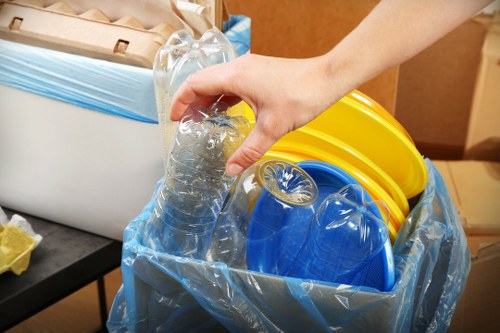
Some business waste removals are best treated as a site clearance rather than a simple lift-and-go collection. This may apply after a tenancy ends, after a refit or when storage areas have become difficult to use. In those cases, the task can include bulky items, loose rubbish, dismantled fixtures and mixed materials that need to be removed in stages. Clear planning matters because the load may be spread across several rooms or floors.
Businesses often need a balance between speed and care. If goods have already been moved to a loading point, collection can be more straightforward. If not, the work may involve some sorting on site so that reusable furniture, recyclable material and general waste are handled appropriately. A brief written description of the job helps more than a long list of guesses, and it gives you a better basis for comparing a quote with the final workload.
For a broader overview of the types of collections available, see our waste removal service page, which brings together the main non-hazardous removal options. It is a useful starting point when your waste load is mixed and you need a clear route from site to disposal.
Office and workplace waste made easier
Office clearances often involve items that are awkward to move and awkward to store. We remove furniture, filing units, unwanted meeting-room items, redundant office equipment and general rubbish that has built up around desks, storerooms or communal areas. The aim is to leave the premises ready for continued use, refurbishment or end-of-lease handing over, while keeping the process organised and manageable.
Some workplaces also need a more sensitive approach to paperwork and stored materials. Confidential files, archive boxes and other documents may require secure destruction rather than ordinary disposal. For that type of work, our confidential shredding page explains a separate service designed for secure document disposal. That distinction matters because not every business item should go through the same route.
When office collections are most useful
Collections are often requested after desk reconfigurations, temporary closures, equipment upgrades or the removal of storage that is no longer required. If the job includes several categories of waste, it can help to group them by room or by item type before the collection. That keeps the removal more efficient and makes it easier to verify what is being taken away. If you are ready to proceed, you can request a quotation once the load is described clearly.
Furniture, fittings and bulky items

Bulky business furniture can take up space long after it has stopped being useful. Chairs, desks, cabinets, tables, shelving, sofas in reception areas and other large items often need to be removed carefully so that walls, lifts, stairwells and flooring are not damaged in the process. We deal with furniture as part of a planned collection, not as an afterthought added onto another job.
Where possible, larger items can be separated for reuse or recycling before the remainder is processed as waste. That approach can be especially helpful if you are clearing a customer area, a meeting suite or a back-of-house store. If you are unsure whether an item belongs in a disposal load or a specialist service, a short description is usually enough to guide the next step. Good detail at the quotation stage helps avoid confusion on the day.
For customers who need item-specific removal, our furniture clearance page is a useful fit when several pieces need collecting together. Where the furniture is beyond reuse, the related furniture disposal option may be more appropriate, especially if the priority is removal and processing rather than moving items for storage.
Recycling, sorting and responsible handling
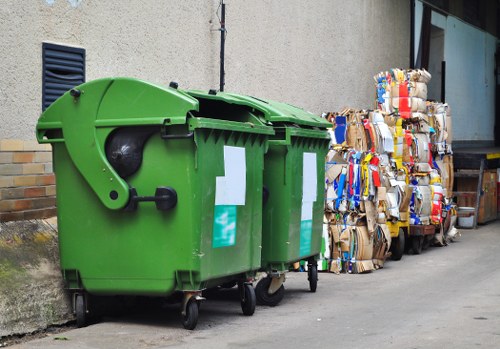
Commercial waste collections work best when reusable and recyclable material is separated from general rubbish wherever practical. Cardboard, clean packaging, some metal items and selected office materials can often be processed differently from mixed load waste. That does not always mean more effort for the customer, but it does mean the collection can be organised with better sorting in mind. Responsible handling is part of a well-run service, not an optional extra.
Our recycling and sustainability page explains the broader approach we use for recovered material. For businesses, this matters because a clearer route for waste can support tidier premises and simpler internal reporting, especially where several teams share a space. If your collection includes a wide mix of items, note anything recyclable, reusable or unusually bulky so the load is assessed properly.
Items that need extra thought
Some materials cannot simply be bundled with ordinary business rubbish. Electrical equipment, refrigeration units, heavy fittings and certain waste streams may need separate handling, and hazardous material requires even more care. We can talk through those distinctions when you enquire, but the safest approach is to identify the item clearly rather than assume it can go with the rest. That keeps the service practical and helps you avoid delays.
About Southwark
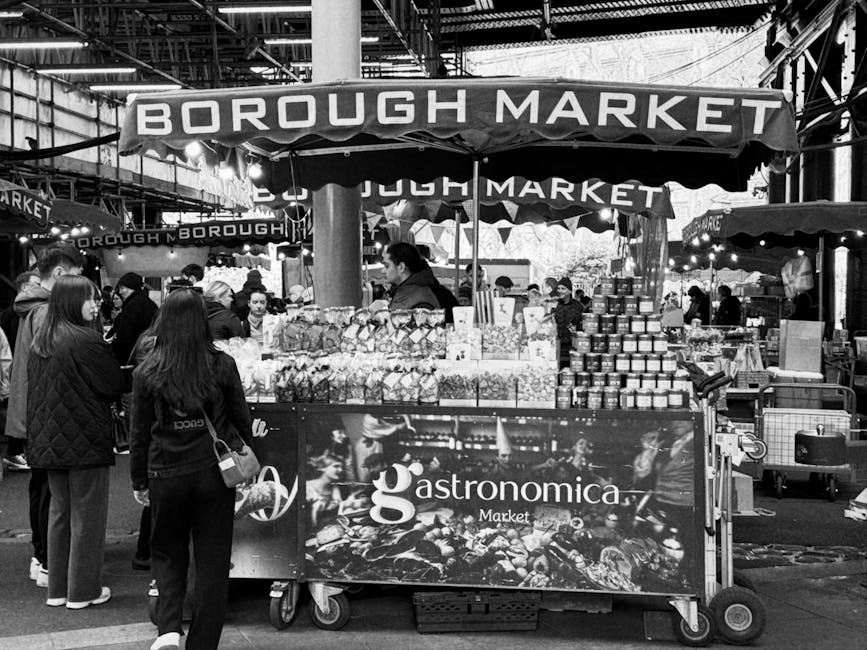
Southwark is a district in central and south London with a long and layered history shaped by the River Thames, trade, faith, performance and civic development. The name reaches back to the old borough on the south bank, and the area still contains traces of its medieval and early modern past alongside dense contemporary streets. Southwark Cathedral, near Borough Market, remains one of the most recognisable historic landmarks, while the riverside has been continually reworked through docks, bridges, offices, housing and public access routes. The district includes parts of Bankside, Borough, Bermondsey, the Elephant and Castle area, and stretches towards Rotherhithe and the inner South Bank, making it both varied and difficult to sum up in a single image. The Tate Modern, housed in the former Bankside Power Station, is one of several major cultural anchors that reflect the area’s shift from industry and commerce to a broader mix of arts, education and visitor life. Borough Market adds another layer, with a food market history that reaches back centuries and now sits within a busy urban setting of transport links, civic buildings and mixed-use streets. The Thames Path follows the river edge in places, offering long views across to the City and the northern bank, while nearby parks and squares provide pockets of open space within a heavily built environment. Southwark is also defined by movement: London Bridge and Southwark stations connect it to the wider city, and the borough’s road network reflects its role as a crossroads between the City, the West End and south-east London. Historic streets, modern developments and surviving fragments of older London sit close together, giving the district a strong sense of continuity even as it keeps changing.
Collections for different business settings
Not every workplace produces the same kind of waste, so a useful collection service has to stay flexible. A shared office may need desks and archive boxes removed, while a shop may need packaging, shelving and stock-room clutter cleared. A workshop or light industrial unit may produce heavier offcuts, broken fixtures or redundant equipment. We can adapt the collection to the setting instead of forcing the job into one fixed pattern.
That flexibility also helps when the site contains a mix of access conditions. Ground-floor premises can be straightforward, but upper floors, narrow corridors, service lifts and busy communal entrances can all affect how a load is handled. If there are particular restrictions, mention them early and keep the request focused. You do not need to overcomplicate the enquiry; the most helpful details are the ones that affect lifting, loading and timing.
For premises that need a structured wider clearance, our office clearance page may be the more relevant starting point when desks, chairs and office fixtures are part of the same project. It is designed for customers who want the work grouped as a complete workplace clearance rather than as isolated item removal.
Planning the collection and understanding the price

Quotation work is usually simpler when the load, access and item mix are described clearly. The main factors are often the quantity of waste, the type of materials, whether items are bulky or heavy, and how easy it is to reach the collection point. If several floors are involved, or if items need carrying through shared areas, that can affect how the job is arranged. A precise description gives you a better basis for comparing options and choosing the right service.
It can also help to decide in advance whether the collection is for a one-off clear-out or part of a repeat arrangement. Regular businesses may prefer a more predictable pattern, while others only need a single visit after a move, fit-out or stock change. For the enquiry itself, keep it practical: list the main item types, mention any access constraints and say whether anything needs special handling. That is usually enough to request a quotation with confidence.
To move ahead, you can request a quotation and explain what needs removing in plain terms. If your waste includes mixed business items, furniture or office contents, a clear request is the quickest route to an accurate response. If you are not sure how to classify the load, write it as it is and ask for guidance on the next step. A short, factual enquiry is often the most useful starting point.
Business waste removal that supports tidy, workable premises
Business waste removal is most effective when it helps the premises keep working, not when it simply shifts clutter elsewhere. That means taking away what is no longer needed, separating what can be recovered and treating the job with enough care to suit the site. Whether you are clearing a single room, several offices or a full commercial unit, the service is intended to make the process more manageable and less disruptive.
For customers with related disposal needs, other pages on the site may be useful if the load includes specialised items. For example, fridge and appliance removal covers refrigeration and white goods, while hazardous waste disposal is the more appropriate route for waste that needs separate handling. Choosing the right service page helps match the collection to the material rather than treating everything as one generic job.
If you are ready to book or compare the next step, request a quotation and describe the items in straightforward terms. A brief list, a note about access and a clear idea of timing are usually enough to begin. We are ready to help with the removal side of the job, and the most useful first move is often simply to ask.