Comprehensive Waste Removal Solutions in Southwark
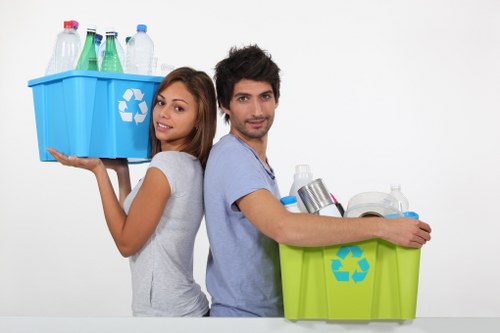
Waste removal in Southwark is an essential service that keeps the borough clean, healthy, and aesthetically pleasing. Whether you're a resident, business owner, or municipal authority, having reliable waste management is critical for maintaining the area's charm and environmental standards.
Southwark, located in the heart of London, faces unique challenges when it comes to waste removal. From high-density residential areas to bustling commercial zones, the demand for efficient and effective waste management solutions is ever-present.
In this article, we'll explore the various aspects of waste removal in Southwark, including types of services available, regulations, and tips for selecting the right waste management provider.
Understanding Waste Removal Services
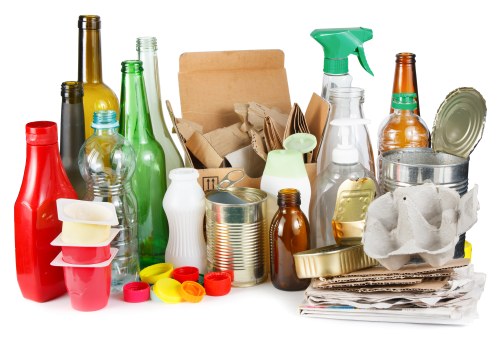
Waste removal encompasses a broad range of services designed to collect, transport, and dispose of waste materials responsibly. In Southwark, these services are tailored to meet the diverse needs of its population and businesses.
Residential Waste Removal: For households, waste removal typically includes regular collection of household waste, recycling services, and sometimes specialized disposal for bulky items like furniture and appliances.
Commercial Waste Removal: Businesses in Southwark require more robust waste management solutions. This includes not only regular waste and recycling collection but also specialized services like medical waste disposal for healthcare facilities and hazardous waste handling for industrial businesses.
Recycling and Sustainability
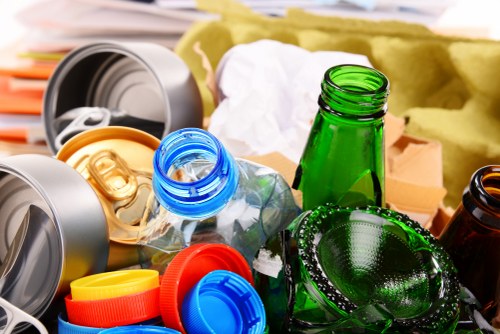
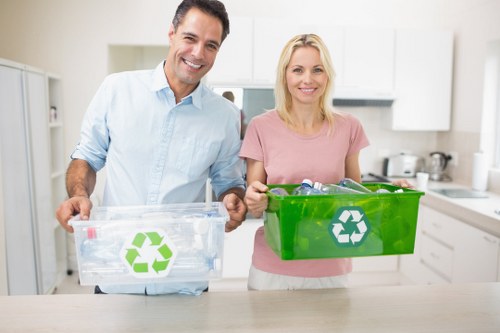
One of the key focuses of waste removal in Southwark is promoting recycling and sustainability. By encouraging proper sorting and recycling of waste, Southwark aims to reduce the environmental footprint and promote a circular economy.
- Recycling Programs: Southwark offers comprehensive recycling programs that cover a wide range of materials, including paper, glass, plastics, and metals.
- Composting Initiatives: For organic waste, composting initiatives help convert kitchen and garden waste into valuable compost, which can be used to enrich soil in gardens and public parks.
- Electronic Waste Recycling: Special facilities are available for the safe disposal and recycling of electronic waste, ensuring that harmful materials are managed correctly.
By participating in these programs, residents and businesses contribute to the overall sustainability goals of Southwark.
Regulations and Compliance
Waste removal in Southwark is governed by a set of regulations and compliance standards designed to ensure that waste is managed safely and responsibly.
Local Regulations: The Southwark Council has established guidelines that dictate how different types of waste should be handled. These regulations cover aspects such as collection schedules, permitted waste types, and disposal methods.
- **Permitted and Prohibited Waste:** Understanding what can and cannot be disposed of through regular waste services is essential for compliance.
- **Collection Schedules:** Adhering to the designated collection times helps maintain order and efficiency in waste management.
- **Penalties for Non-Compliance:** Failing to comply with waste removal regulations can result in fines and other penalties, emphasizing the importance of adhering to local laws.
Businesses, in particular, must stay informed about compliance requirements to avoid legal issues and ensure their operations are environmentally responsible.
Choosing the Right Waste Removal Service
Selecting a reliable waste removal service in Southwark involves several considerations to ensure that your needs are met efficiently and cost-effectively.
Service Range: Assess the range of services offered by the provider. Do they handle specific types of waste relevant to your situation, such as construction debris or electronic waste?
Reputation and Reviews: Look for providers with positive reviews and a strong reputation for reliability and customer service. Recommendations from local community members can be invaluable.
Cost and Pricing Structure
Understanding the pricing structure is crucial. Some providers charge based on the volume of waste, while others offer flat-rate services. Make sure to compare prices and understand what is included in each package.
Environmental Practices
Choose a provider that prioritizes environmentally friendly practices. This includes proper recycling, minimizing landfill use, and adhering to sustainability standards.
Customer Support: Having access to responsive customer support ensures that any issues or special requests can be handled promptly and effectively.
Innovative Waste Management Technologies
Southwark is embracing innovative technologies to enhance waste removal services. These advancements aim to improve efficiency, reduce environmental impact, and provide better service to residents and businesses.
**Smart Bins:** Equipped with sensors, smart bins can monitor waste levels and optimize collection routes, reducing unnecessary trips and improving fuel efficiency.
**Waste-to-Energy Plants:** By converting waste into energy, these plants help reduce landfill use and provide a renewable energy source for the community.
Community Involvement and Education
Educating the community about proper waste disposal and recycling practices is a critical component of successful waste removal in Southwark.
Public Awareness Campaigns: Initiatives such as workshops, seminars, and informational materials help residents understand the importance of waste management and how they can contribute.
- School Programs: Educating younger generations about recycling and sustainability ensures long-term community engagement.
- Local Events: Community clean-up events and recycling drives foster a sense of collective responsibility.
- Online Resources: Providing detailed guides and tips on the council’s website helps residents access information easily.
Active community involvement leads to more effective waste management and a cleaner, healthier Southwark.
Challenges in Waste Removal
Despite the robust waste management infrastructure, Southwark faces several challenges that impact waste removal efficiency.
High Population Density: The dense urban environment means higher volumes of waste, requiring more frequent collection and efficient management strategies.
Limited Space for Waste Facilities: Finding locations for waste processing and recycling facilities in a densely built area is a constant challenge.
- **Traffic Congestion:** Heavy traffic can delay waste collection routes, reducing the efficiency of services.
- **Public Compliance:** Ensuring that all residents and businesses adhere to waste disposal regulations is essential for maintaining cleanliness and sustainability.
- **Funding and Resources:** Allocating sufficient funds and resources to waste management services is necessary to meet the growing demands.
Addressing these challenges requires continuous innovation, investment, and community cooperation.
Future Trends in Waste Removal
The future of waste removal in Southwark looks promising, with several emerging trends set to shape the industry.
Circular Economy: Emphasizing the reuse and recycling of materials to minimize waste generation and promote sustainability.
Automation and AI: Leveraging artificial intelligence to optimize waste collection routes, sort waste more efficiently, and predict waste generation patterns.
- Robotic Sorting Systems: Enhancing the accuracy and speed of sorting recyclable materials.
- Predictive Analytics: Using data to forecast waste trends and plan collection services accordingly.
- Advanced Recycling Techniques: Developing new methods to recycle previously non-recyclable materials.
These trends aim to create a more efficient, sustainable, and responsive waste management system for Southwark.
Policy Development
Continuous development of policies that support sustainable waste management practices is crucial. This includes stricter regulations on waste disposal, incentives for recycling, and investment in green technologies.
Benefits of Effective Waste Removal
Implementing effective waste removal strategies in Southwark brings numerous benefits to the community, environment, and local economy.
Environmental Protection: Proper waste management reduces pollution, conserves natural resources, and mitigates climate change impacts.
Public Health: Minimizing waste accumulation prevents the spread of diseases and promotes a healthier living environment.
- **Aesthetic Appeal:** Clean streets and public spaces enhance the overall beauty of Southwark, making it a more attractive place to live and work.
- **Economic Growth:** Efficient waste management can create jobs, support local businesses, and attract investments.
- **Community Well-being:** A clean and sustainable environment contributes to the overall quality of life for residents.
These benefits underscore the importance of prioritizing waste removal services in Southwark.
How to Get Started with Waste Removal Services
Embarking on a reliable waste removal journey in Southwark is straightforward with the right guidance.
Assess Your Needs: Determine the type and volume of waste you generate, whether it’s residential, commercial, or industrial.
Research Providers: Look for waste removal companies that offer the services you require, have a good reputation, and comply with local regulations.
- Compare Services: Evaluate the range of services, pricing, and flexibility each provider offers.
- Check Credentials: Ensure the company is licensed and follows environmental and safety standards.
- Read Reviews: Customer feedback can provide insights into the reliability and quality of the service.
Contact Providers: Reach out to potential waste removal services to discuss your needs, obtain quotes, and understand their processes.
Schedule Services: Once you've selected a provider, set up a collection schedule that aligns with your requirements.
Maintain Compliance: Stay informed about local waste management regulations and ensure your practices remain compliant.
Monitor Performance: Regularly assess the efficiency and effectiveness of your chosen waste removal service to ensure continued satisfaction.
Tips for Effective Waste Management
Implementing best practices can enhance the efficiency of waste removal in Southwark.
Reduce, Reuse, Recycle
Adopt the three Rs to minimize waste generation:
- Reduce: Minimize the amount of waste produced by choosing products with less packaging and opting for reusable items.
- Reuse: Find new uses for old items instead of discarding them.
- Recycle: Properly sort and dispose of recyclable materials to ensure they are processed correctly.
By integrating these practices into daily routines, residents and businesses can significantly reduce their environmental impact.
Emergency Waste Removal Services
In addition to regular waste removal services, Southwark offers emergency waste removal solutions for unexpected situations.
Storm Damage Cleanup: After severe weather events, specialized teams are available to remove debris and restore affected areas.
Accident Cleanup: In the event of hazardous spills or accidents, immediate waste removal services ensure safety and compliance with environmental regulations.
- **Rapid Response:** Emergency services prioritize swift action to address urgent waste removal needs.
- **Specialized Equipment:** Equipped with the necessary tools to handle various types of emergencies efficiently.
- **24/7 Availability:** Accessible at any time to provide assistance when it's needed most.
Having access to these services ensures that Southwark remains resilient in the face of unexpected waste management challenges.
Cost-Effective Waste Removal Strategies
Managing waste efficiently doesn't have to break the bank. Southwark offers strategies to ensure waste removal services are both effective and affordable.
Bulk Collection Discounts: Many providers offer discounted rates for bulk waste collections, making it more economical for businesses to manage large volumes of waste.
Recycling Incentives: Participating in recycling programs can reduce waste disposal fees and sometimes even generate revenue through the sale of recyclable materials.
- Flexible Plans: Choose from various service plans that align with your waste generation patterns and budget.
- Preventative Measures: Implementing waste reduction practices can lower overall waste management costs.
- Government Grants and Support: Explore available grants or subsidies aimed at promoting sustainable waste management practices.
By leveraging these cost-effective strategies, both residents and businesses can achieve efficient waste removal without overspending.
Partnering with Local Authorities
Collaborating with local authorities can enhance your waste management efforts.
**Community Programs:** Engage in community-led initiatives to foster collaborative waste reduction and recycling efforts.
**Policy Advocacy:** Work with local policymakers to advocate for improved waste management infrastructure and services.
Environmental Impact of Waste Removal
Effective waste removal significantly impacts Southwark's environment and the broader ecosystem.
Reducing Landfill Use: By diverting waste from landfills through recycling and composting, Southwark decreases the strain on landfill sites and reduces methane emissions.
Conserving Resources: Recycling conserves natural resources by reusing materials, which in turn reduces the need for raw material extraction.
- **Energy Savings:** Recycling generally uses less energy compared to producing new materials from scratch, contributing to lower carbon emissions.
- **Biodiversity Protection:** Proper waste management helps protect local wildlife and natural habitats from pollution and contamination.
- **Climate Change Mitigation:** Effective waste removal practices play a role in reducing greenhouse gas emissions, aiding in the fight against climate change.
By prioritizing environmentally friendly waste removal, Southwark contributes to global sustainability goals and ensures a healthier planet for future generations.
Case Studies: Success Stories in Southwark
Southwark has implemented several successful waste removal initiatives that serve as models for other boroughs and communities.
Zero Waste Initiative: Aiming to eliminate waste sent to landfills, Southwark's Zero Waste Initiative emphasizes comprehensive recycling, composting, and waste reduction strategies.
Community Recycling Centers: Establishing local recycling centers has made it easier for residents to participate in recycling programs, leading to higher community engagement and lower contamination rates.
- Public Awareness Campaigns: Educating the public about the importance of waste segregation and recycling has resulted in increased participation and reduced waste generation.
- Sustainable Partnerships: Collaborating with local businesses and organizations has enhanced resource sharing and innovation in waste management practices.
- Technological Integration: Implementing smart waste management technologies has streamlined operations and improved service delivery.
These case studies highlight the effectiveness of strategic waste removal practices and the benefits of community involvement.
Lessons Learned
The success of waste removal initiatives in Southwark offers valuable lessons:
**Community Engagement:** Active participation from the community is crucial for the success of waste management programs.
**Flexibility and Adaptability:** Being open to adopting new technologies and practices ensures that waste removal services can evolve with changing needs.
Conclusion
Waste removal in Southwark is a multifaceted service that plays a vital role in maintaining the borough's cleanliness, health, and sustainability. By understanding the various services available, adhering to regulations, and embracing innovative technologies, both residents and businesses can contribute to effective waste management.
As Southwark continues to grow and evolve, so too will its waste removal strategies, ensuring that the borough remains a vibrant and sustainable place to live and work.
Don't wait to make a difference! Contact us today to learn more about our waste removal services and how we can help you achieve a cleaner, greener Southwark.
For reliable and environmentally responsible waste removal in Southwark, book your service now and join the community in promoting a sustainable future.
